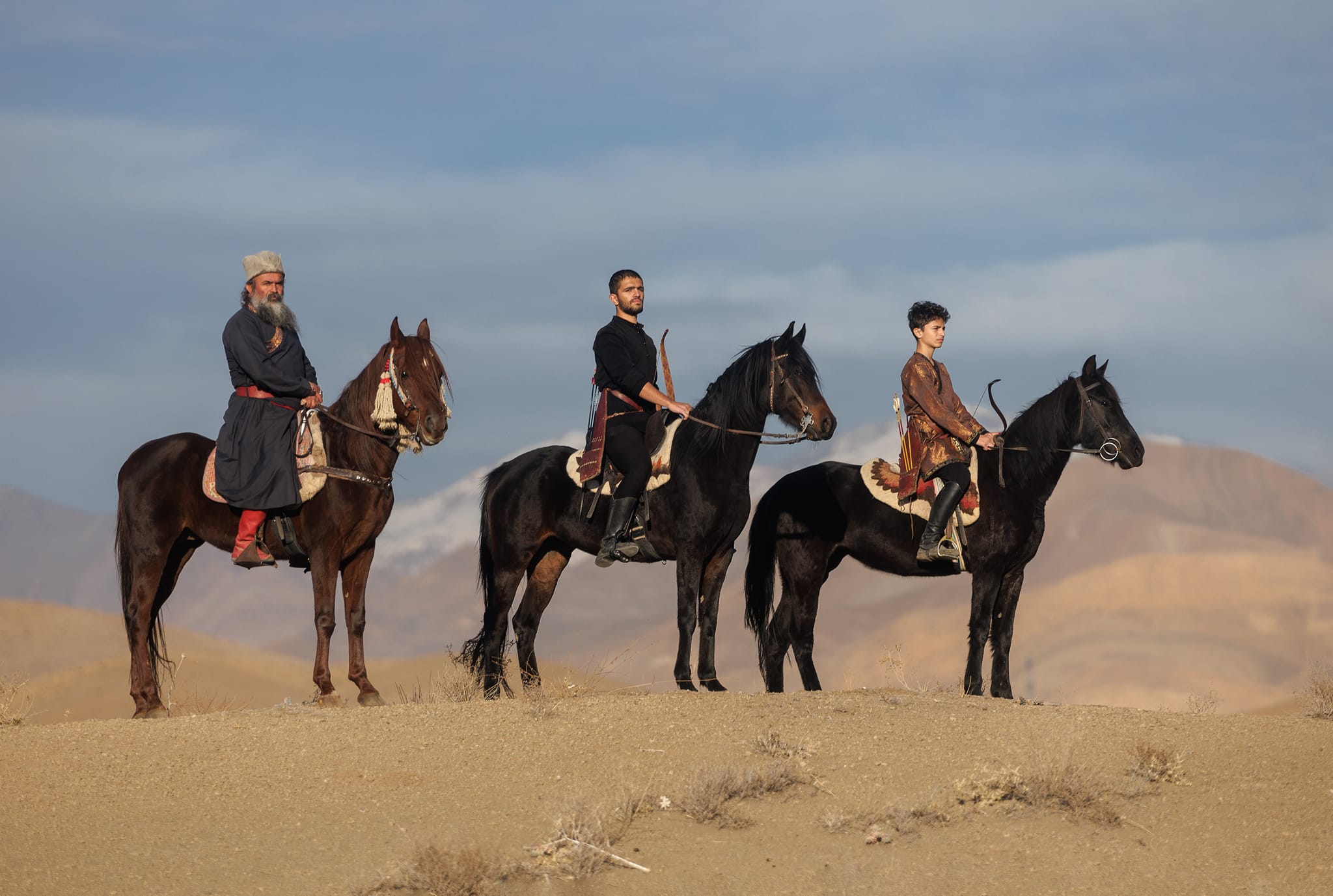
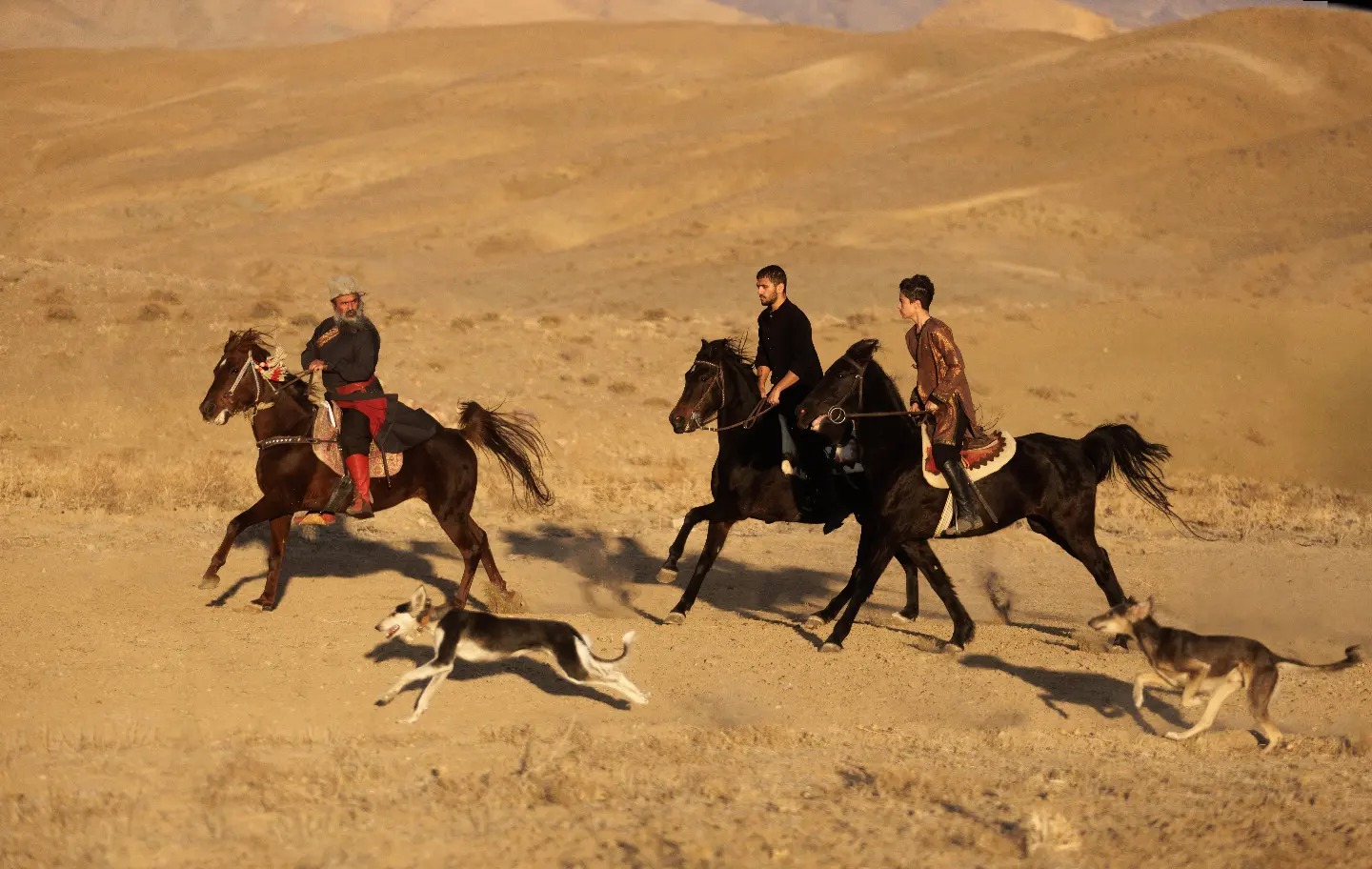
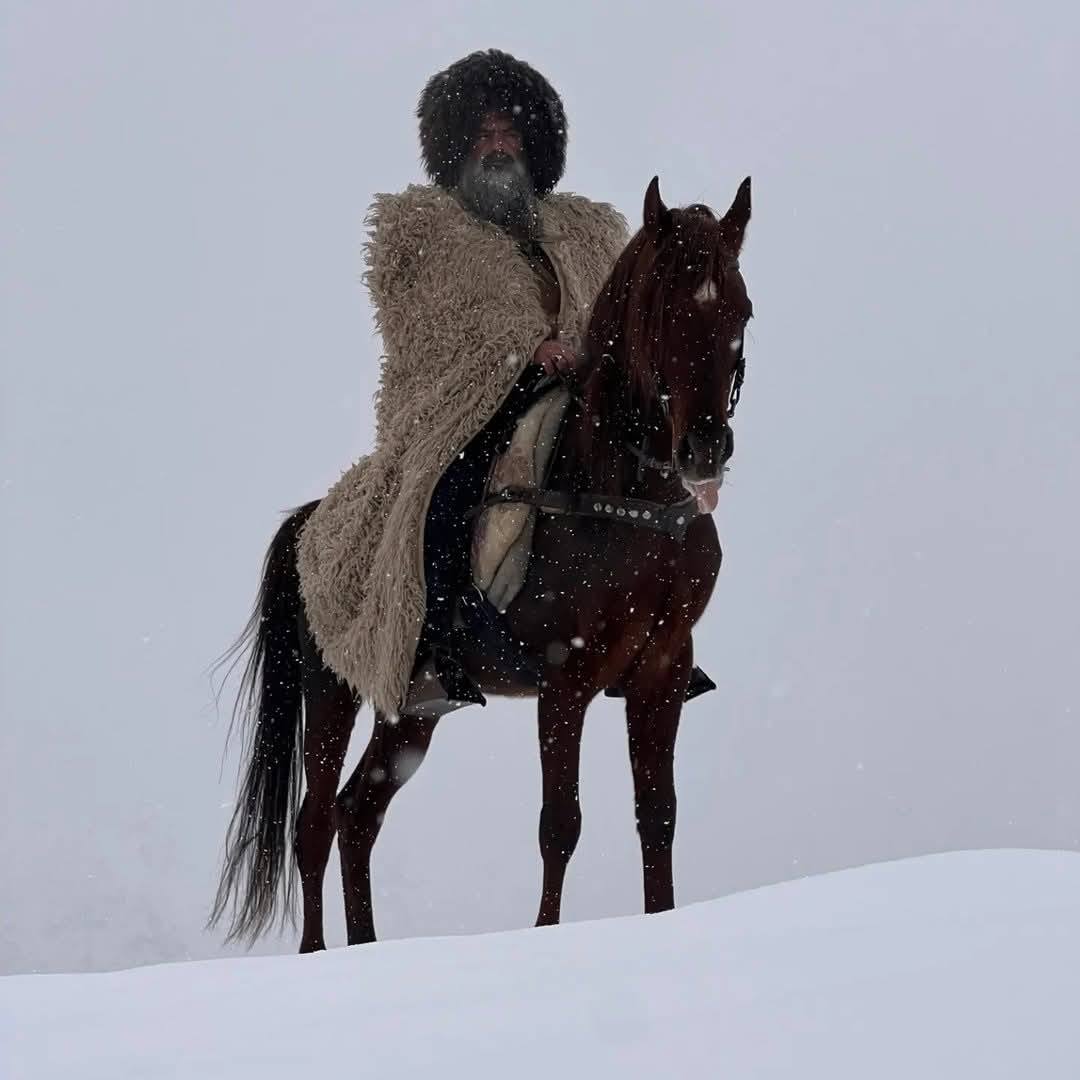
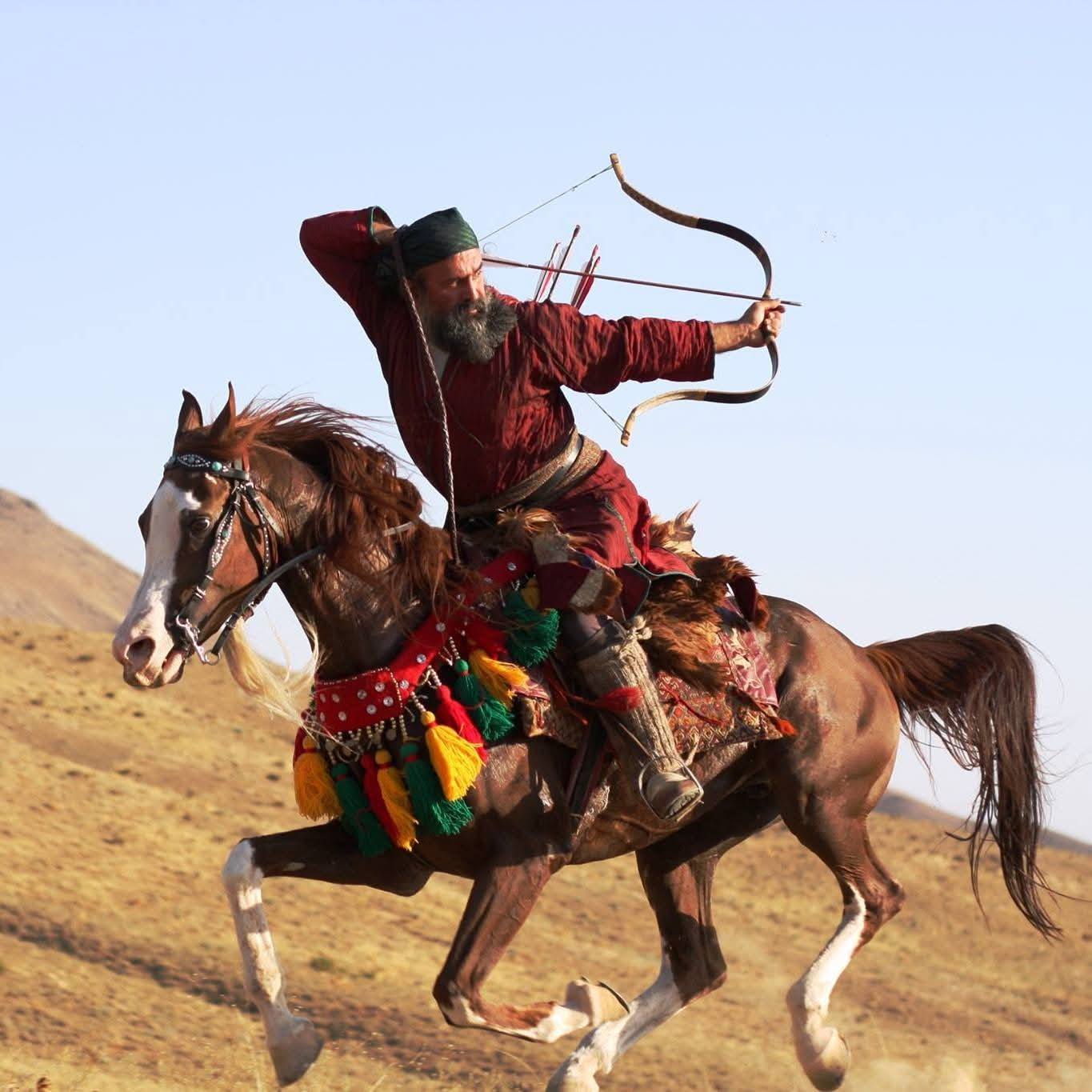
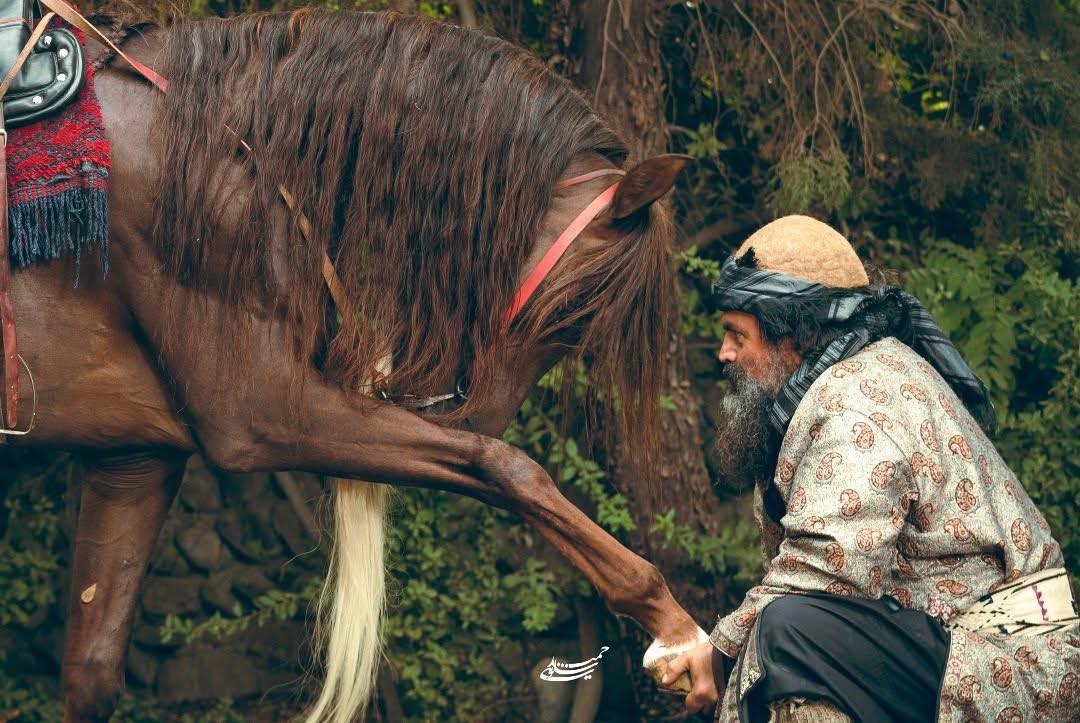
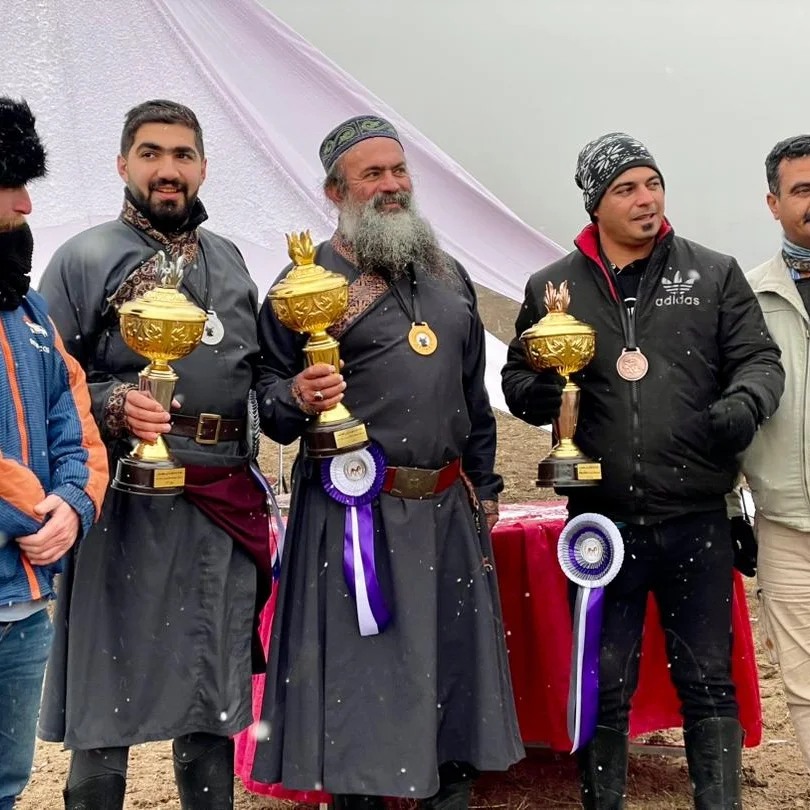
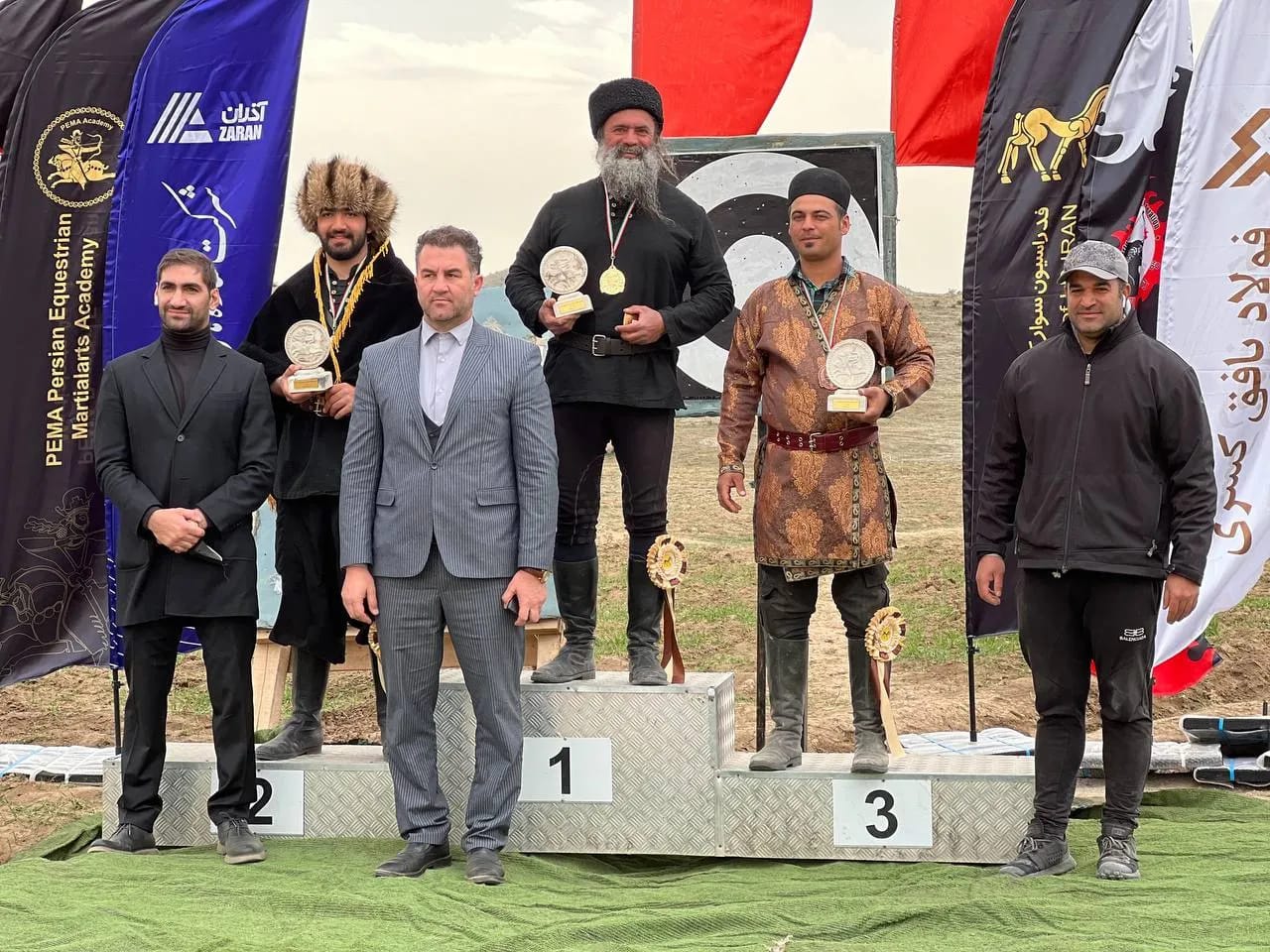
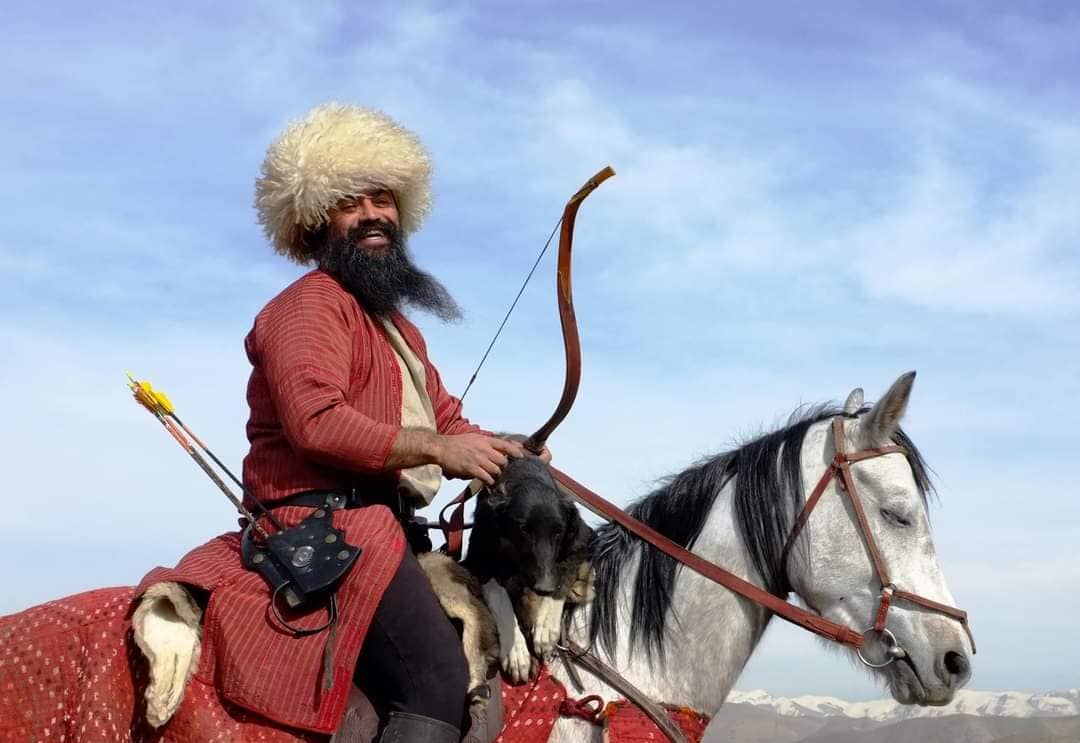
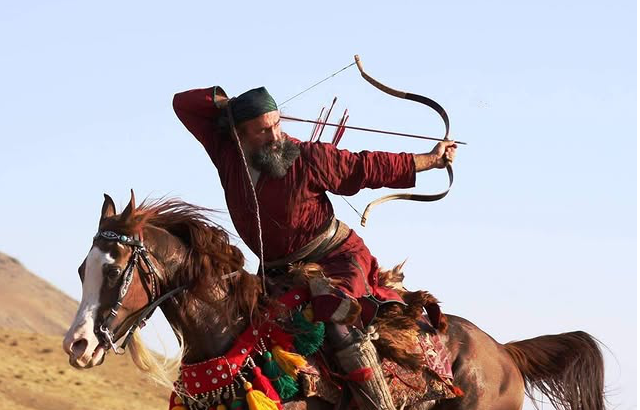
In his former life, Ali, whose long greying beard makes him look older than his age, was a professor of art at the University of Tehran. Until one day, he had had enough – enough of not being able to devote his time to his passion for horses and Persian martial arts, enough of sitting around for hours on end in traffic jams in the Iranian capital.
After learning to ride as a child, Ali dreamed of being able to get on a horse every day and spend his time out in nature. He finally took the plunge in 2014 after years of putting his dreams on hold, leaving behind the city, his job, his family and his friends to work in the stables at the foot of the Elburz mountains.
“When I left Tehran, many of my friends wrote me off. My family wanted me to leave the horses and come back to Tehran to lead a normal life. My new life was too unconventional for them and they couldn’t understand how important it was for me.
[…] But now I’m closer than ever to my real friends. When one of them calls me ‘brother’, I know they really mean it.”
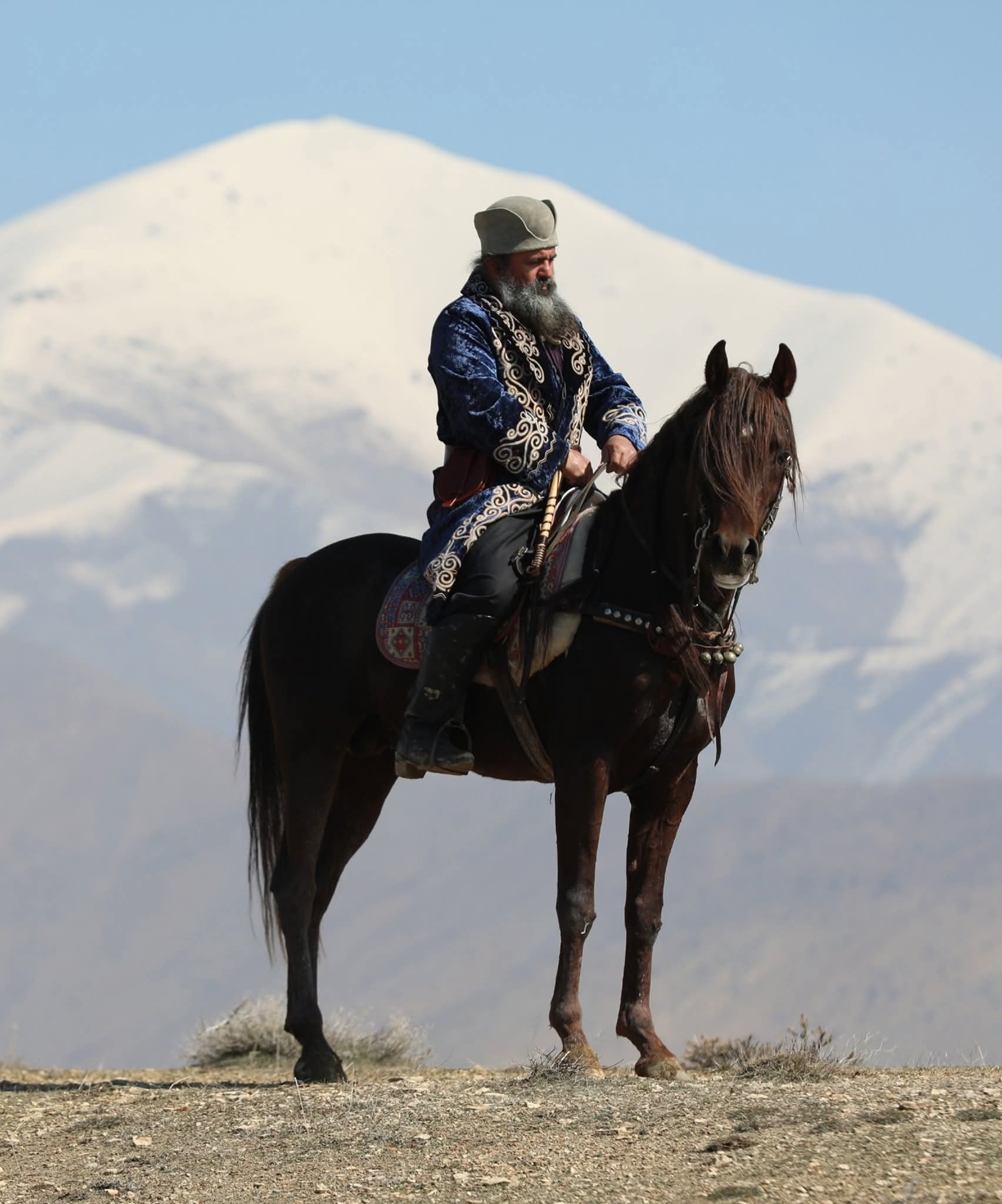
In the foothills of this long mountain range, peaking at over 5,600 metres, wealthy individuals from Tehran board their horses in these stables – regardless of whether they know how to ride them or not. This is because in Iran, owning a purebred Arabian horse is a sign of wealth, but mounting these hot-blooded stallions with their lively yet nervous energy is not something every horse rider is capable of.
Ali is tasked with looking after around forty horses with the help of half a dozen employees, most of whom from neighbouring Afghanistan. He receives board in return. As soon as he finishes work, he sets off into the mountains, sometimes for several days at a time. “These mountains are my kingdom; on horseback! can go anywhere I want. For me, this is how I get the most out of life.”
He wakes up at dawn, completing his training before 10 oclock and then getting back on the saddle at 5 o’clock in the evening.
When the sun is at its highest, with temperatures frequently exceeding 40 °C in the summer, Ali, like everyone else here, takes a siesta in the shade of the fruit trees. Gusts of wind pick up the dark, arid soil, swirling it around in clouds of dust. The raking light makes you feel as though you are in a painting, as though the fading heat had frozen the landscapes and vegetation in place.
The stables where Ali works are made up of several long buildings, hiding within them a small oasis. Only the sound of the leaves rustling on the trees breaks the silence. From time to time, an unripened apricot falls from its tree, driven to the ground by the high temperatures. The shade offered by the surrounding trees is the safest bet for staying cool during this heavy heat.
Luckily, the nights are cool and the food served is delicious. Breakfast consists of large round loaves of sesame bread, butter, honey and fresh fruit served with piping hot black tea. Meals often revolve around rice served with aubergine fried in garlic, lamb skewers and goats’ milk yoghurt. A real delight for the palate.